• Blog
  • Shop
  • Resources
  • FAQ (Ask TGS)
  • About
  • Archive
  • Contact
  • Sign In My Account
Menu

The Gentleman Stationer

Vintage Living in the Modern World.
  • Blog
  • Shop
  • Resources
  • FAQ (Ask TGS)
  • About
  • Archive
  • Contact
  • Sign In My Account

Pen Review: The Pokka Pen

January 25, 2017

The Pokka Pen is the pen that you want to stash everywhere: in your car, in every bag you own, in desk drawers, and next to the telephone (assuming you still have one that isn't a cell). Developed by Terry O'Connor as an inexpensive replacement for his Fisher Space Pens (which he kept losing), the Pokka Pen is a fun and convenient tool that's received rave reviews from everyone I know who's tried it, including my non-pen-obsessed family members. 

The Pokka Pen is extremely portable: closed it measures just over 3.3", shorter than a Kaweco Sport and much narrower. Open, it extends to 5.5", slightly longer than a Sport and more than sufficient for most writing tasks. The pen feels sturdy and well-made, and makes a satisfying "pop" when it closes and posts due to the o-rings that hold the cap on. I found it very comfortable to write with, including for fairly long spells. While you're probably not going to want to use the Pokka pen to write your dissertation longhand, that's not the point. The Pokka is designed for ultimate portability.

The Pokka Pen offers a fairly standard ballpoint writing experience.

The Pokka's writing experience is very similar to that of a standard BIC crystal, which I enjoy. It writes a relatively dark line for a standard ballpoint pen, and would be suitable for most notetaking and signing purposes. The Pokka would be a great addition to an everyday carry kit, especially for those who don't want to shell out a lot of money for an expensive pen, or who tend to misplace pens very easily.  

Where to Buy

Update: The Gentleman Stationer is now an authorized retailer of Pokka Pens, and you can purchase three-packs in our curated shop for $8.45 US. Also check out the Pokka site for regular releases of limited edition Pokka pens, as well as to buy in bulk packs of 10, 15, or 20 pens. Pokka pens come in a range of fun colors, including EDK Blaze (orange), EDK Earth (brown), EDK Klear (yellow/clear), Kustom Kryptek (camo), EDK Blakk ("stealth") and more. 

For further reading, I'd encourage you to visit the Pokka Pens website and watch Terry's video in which he tells the story about how Pokka came to be. Also, check out Brad's review of the Pokka Pen over at The Pen Addict, as well as this review at The Gadgeteer. 

Disclaimer: Terry at Pokka Pens sent me these pens free of charge for review purposes. I was not otherwise compensated for this review. 
In Pens Tags Pocket Pens, Ballpoint, Pokka Pens
Comment

Quick Take: In the Pines, In the Pines ...

January 23, 2017

While I received these a week or so ago, I just got around to cracking the box open over the weekend, and I must say that I continue to be impressed with what Write Notepads is doing with their limited edition pocket notebooks. The latest edition, "In the Pines," just confirms for me that I made the right decision by subscribing this past fall. I love the forest green cover and dot grid paper, and the pencils seem a bit different this time (for the better), with more rounded hexagonal edges and a stronger cedar smell. 

Beautiful simplicity: thus far, Write Notepads has resisted the urge to do "too much" with the design of their notebooks. 

"In the Pines" is a reference to the American folk song of the same name, first popularized by Leadbelly in the 1940s and later by Nirvana on their "MTV Unplugged" album, where it appeared as the closing track under the name "Where Did You Sleep Last Night?" (Great album, by the way - I listened to it for the first time in years this weekend - but I digress.)

Unlike other pocket notebook brands, Write Notepads sells and ships their books in tastefully designed boxes rather than shrink wrap.

I suspect these will go quickly, since they've received a lot of attention, so grab some now if they pique your interest. For the moment, pencils are subscriber-only, as is the "In the Pines" sticker. You can order directly via the Write Notepads website.

If you're interested in checking out what Write Notepads has done with previous limited editions, check out my review of the "Kindred Spirit" edition. At some point I need to do some photos and a quick take on the "Royal Blue" edition as well, but in the meantime I recommend reading Johnny's review over at Pencil Revolution.

Disclaimer: I purchased these notebooks with my own funds, for my own personal use. 

In Notebook Review Tags Pocket Notebook, Write Notepads, Subscription Services
Comment

Pen Review: Sailor Imperial Black Multifunction Pen

January 21, 2017

Sailor makes great looking pens, and the pens that make up Sailor's "Imperial Black" series are some of the best, IMHO. The Imperial Black Professional Gear fountain pen has long been a stalwart in my collection, and gets regular use. Despite it's high MSRP outside of Japan, it's still one of the pens that I regularly recommend, and I consider it to be the premiere "stealth pen" available. As it turns out, Sailor has expanded the Imperial Black lineup to include both a multifunction pen and a ballpoint at much lower and more readily accessible price points. If you like the look of the Imperial Black pens, but aren't quite ready to make the investment in the Pro Gear fountain pen, you should consider adding the multi pen to your collection. (I can't personally speak to the ballpoint, as I don't own it, but in light of my positive experiences with the other two pens you can probably assume it's good as well.) 

The black ion-plated trim on the multi pen matches the trim on the Professional Gear fountain pen nicely. 

Given the wide disparity in price points, I expected the Imperial Black multi pen to look cheap compared to the fountain pen, and for there to be a noticeable difference in the build quality. Not the case. The black ion-plated clip and trim are the same as on the fountain pen, and the matte black finish is equally well-applied. (Note: Nearly four years later, the matte finish on my Imperial Black fountain pen has become a bit glossy and worn from use. I expect the same from the multi pen, and from any "matte black" pen for that matter. It's normal and gives the pen a nice wabi-sabi effect.) Photographed together, these two pens look stunning. Sailor should consider selling these as a two or three-pen set. 

The Imperial Black fountain pen is a relatively light and compact writing instrument that's easily carried in a shirt pocket. The multi pen also makes a great daily carry tool, but it's heftier than its fountain pen equivalent. While the fountain pen is made from matte-black acrylic, the multi pen appears to be coated brass. The metal construction gives the pen some weight, though I still find it to be well-balanced and very comfortable to use. The pen is almost exactly the same length as the Lamy 2000 four-color ballpoint, but slimmer around the middle.  

The Imperial Black multi pen uses widely available D1 refills. The stock Sailor refill is excellent, though a bit hard to find.   

In my recent Guide to Multifunction Pens, I noted that one of the big decision points when selecting a multi pen is the price/availability of the refills. Fortunately, this pen uses the non-proprietary D1 refill, which is relatively easy to find and available in a wide range of ink types. (There's even a highlighter refill made by Lamy, which I've been using a fair bit.) I will say that Sailor's "Chalana"-brand D1 ballpoint refills have impressed me. I'd compare them to the Uniball Jetstream refills in terms of smoothness, even in the "fine" or "extra fine" tip size. Like the Jetstream, there's not a wide range of colors - you're restricted to black, blue, and red - but they can be shockingly inexpensive for how good they are. Pen Chalet currently has the blue and the black in stock at less than $1.50 each.

The stock Sailor D1 refill writes a fine line that's smooth and very dark for a ballpoint. 

So if I had to make a recommendation between this and the Lamy 2000 multi pen, what would I go with? That's a tough one. For me, it comes down to two things: (1) weight, and (2) whether you need a mechanical pencil function. While I don't consider the Imperial Black multi pen too heavy to use, it's definitely heavier than the Lamy 2000, so anyone particularly sensitive to that sort of thing should be advised. The Sailor also has a built-in .5mm mechanical pencil taking up one of it's four slots, whereas the Lamy is strictly a 4-color pen. Since I use pencils a lot during the workday, I find my self reaching more and more for the Sailor, and if I'm only carrying one pen, more often than not it's the Imperial Black that goes into my shirt pocket. Either one is excellent, however, and what you ultimately choose should determined by your personal needs and preferences.  

One of the big selling points of the Sailor Imperial Black multi pen is the mechanical pencil function. The top of the "cap" unscrews to reveal a pink eraser. 

Where to Buy

As far as I can tell, neither the Imperial Black Multifunction Pen and the Imperial Black Ballpoint (which I have not tried) are available outside Japan, so you have to order both pens from a Japanese vendor. With respect to the multi pen, there are multiple Amazon sources you can purchase from, but as is common with overseas vendors, both price and availability can vary. Shop around.  

Disclaimer: I purchased the pen featured in this review with my own funds, for my own personal collection.

In Multi Pens Tags Sailor, Sailor Imperial Black, Multi Pen
10 Comments

New Product: Say Nice Things Notebooks and Journals

January 18, 2017

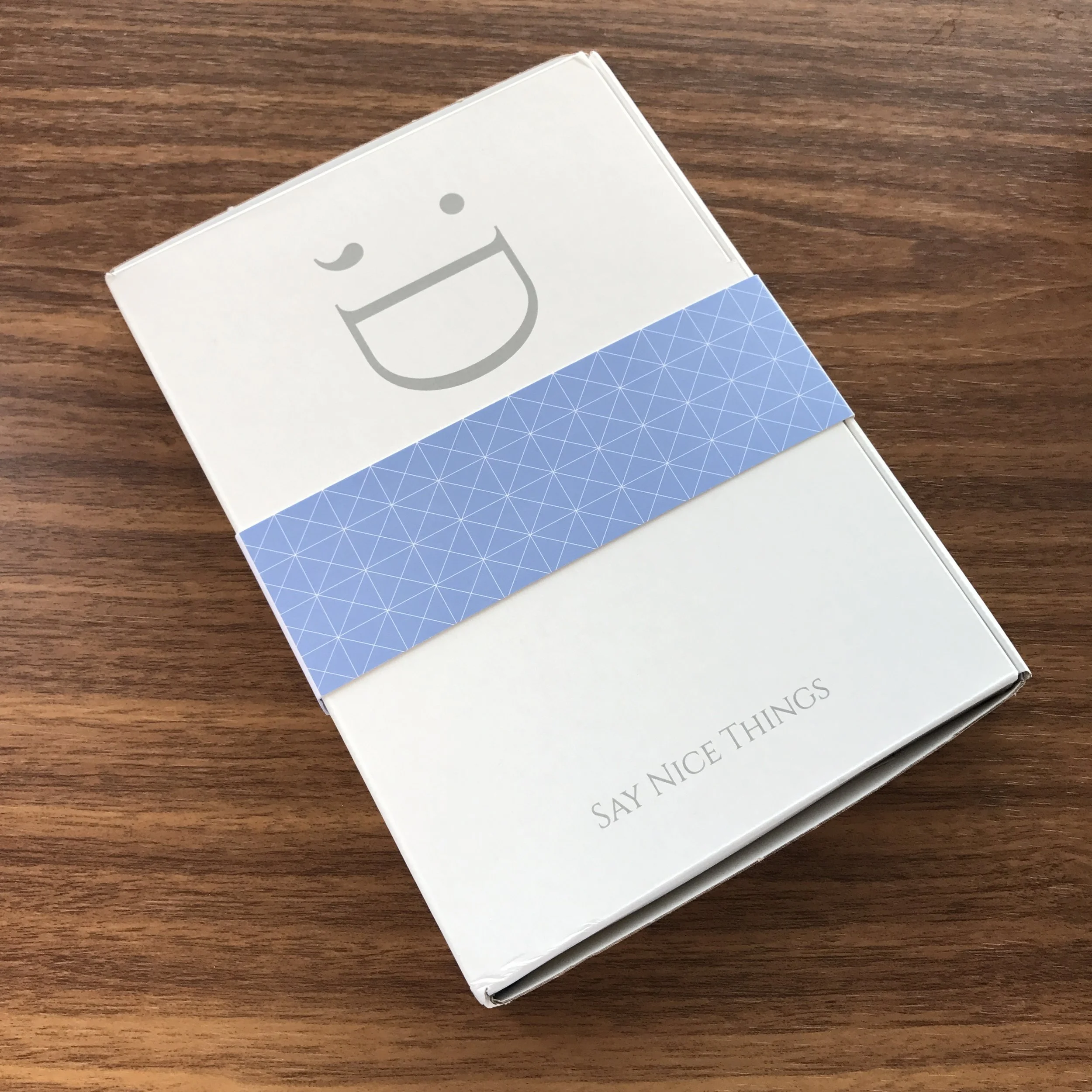
As much as I love pens, I have long had a soft spot for good notebooks, especially where a lot of thought has plainly gone into design and manufacturing. The past two years have seen the release of some great new products, and these books from a UK-based company called Say Nice Things are no exception.  

The "Cadence" Notebook from Say Nice Things.

Andy from Say Nice Things sent me two hardcover books, a "Curtis" A5 Journal, and a "Cadence" A5 Notebook, and I'm impressed with both. The covers are made from what the company calls a "soft Peltouch" material (it feels like vinyl) with a screenprint pattern. The "Curtis" features a dark glossy polka dot pattern with a blue highlight in the bottom left-hand corner, while the "Cadence" features a bicycle pattern with a white highlight. The covers feel very durable, lay flat, and close snugly with a tight elastic band.

The "Curtis" A5 Journal from Say Nice Things.

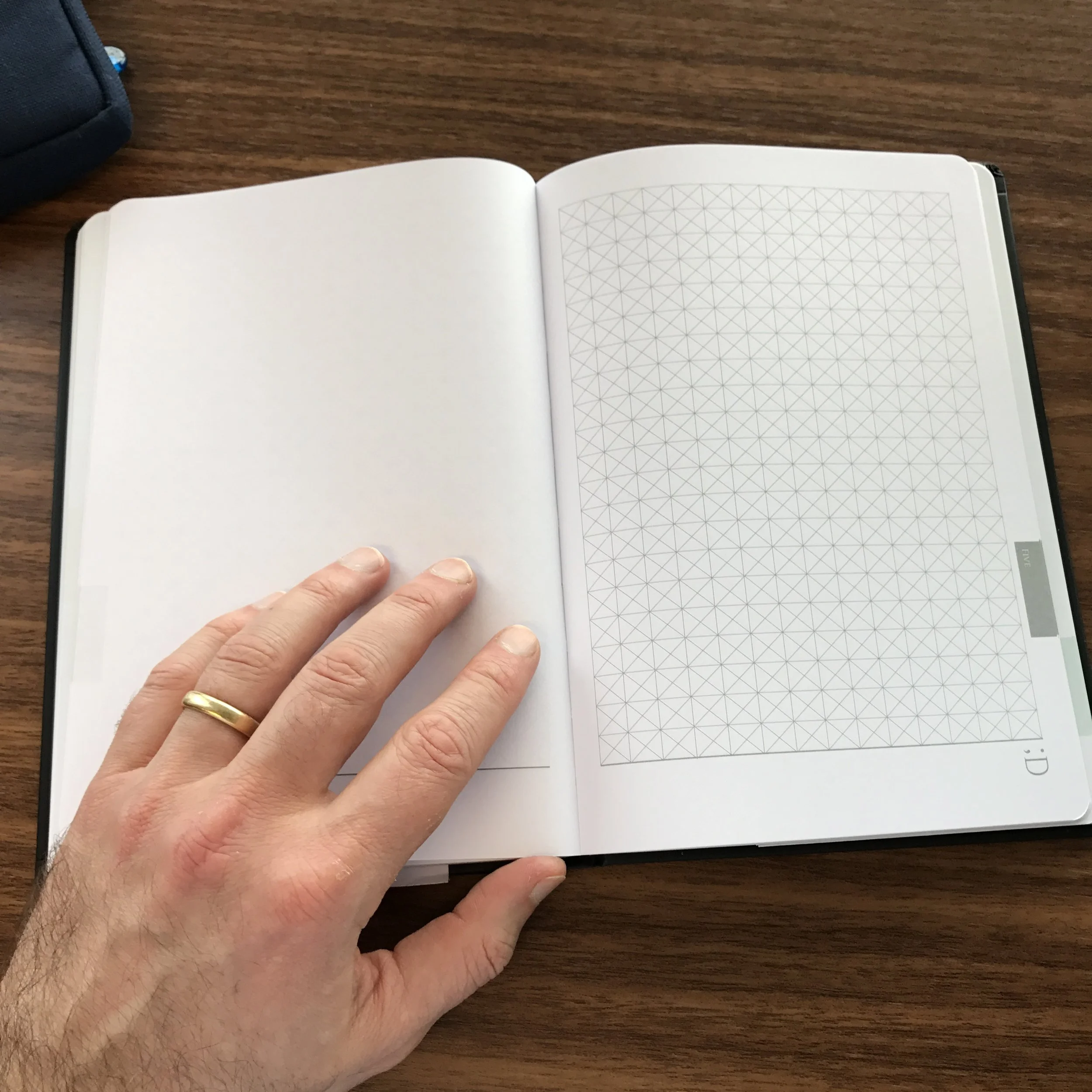
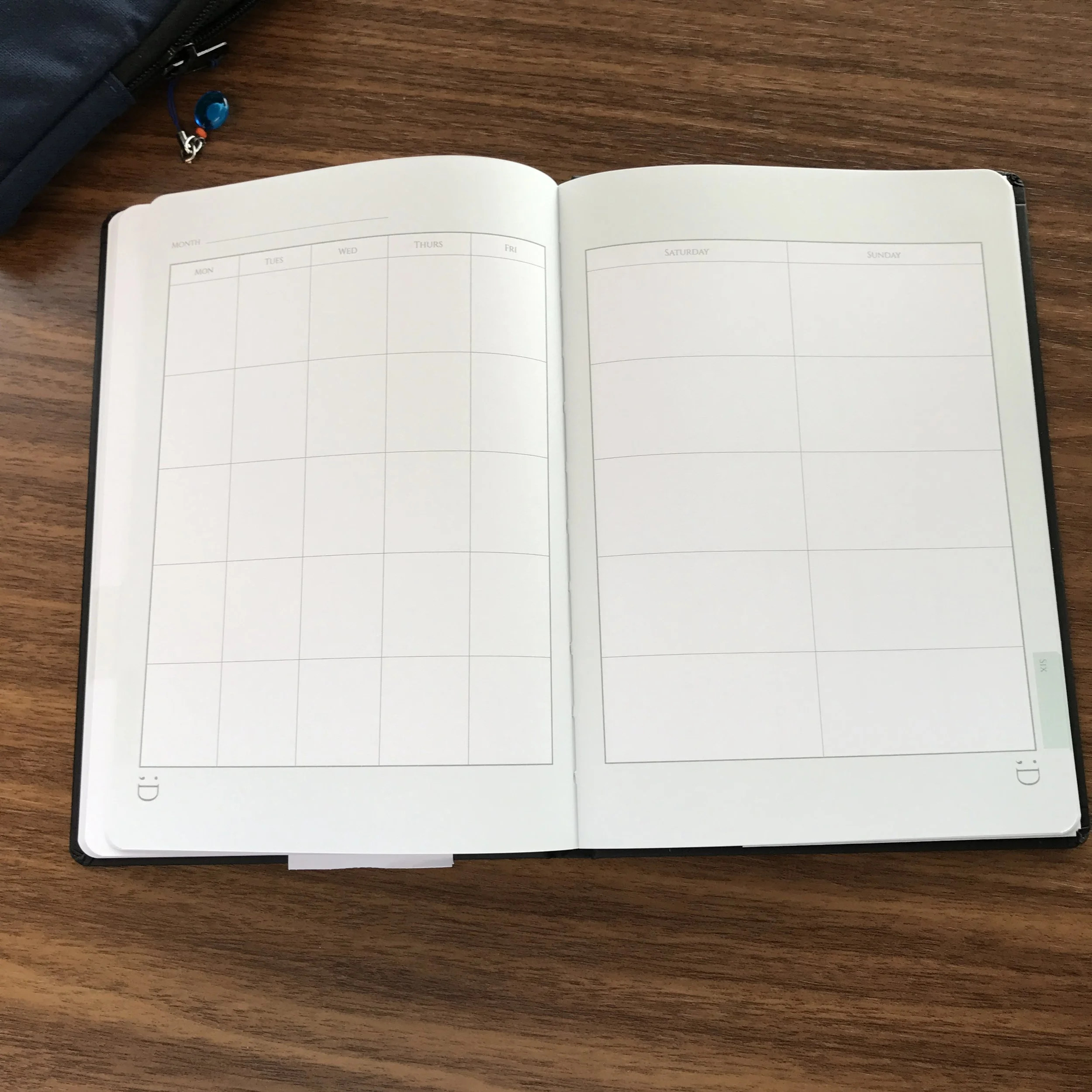
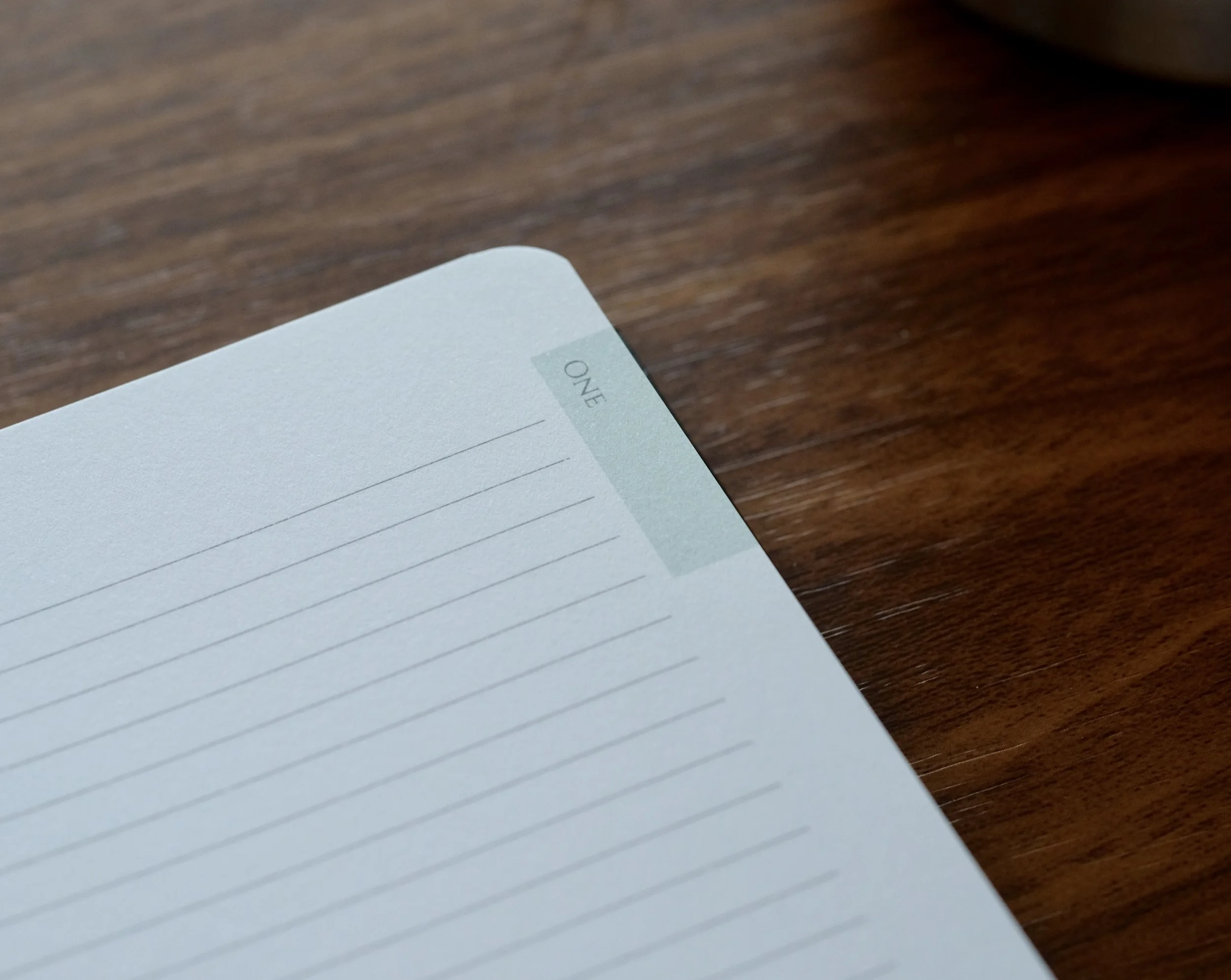
The layout of these notebooks makes them somewhat unique. The journal is a larger book, with 192 pages of 90gsm paper, split into six 32-page sections with an index and tabs for easy navigation. Four of the sections contain lined paper, one contains a combination of blank and graph pages for "sketching and colouring," and the last contains an undated 12-month calendar "for forward planning." 

View fullsize Say Nice Things Curtis Packaging
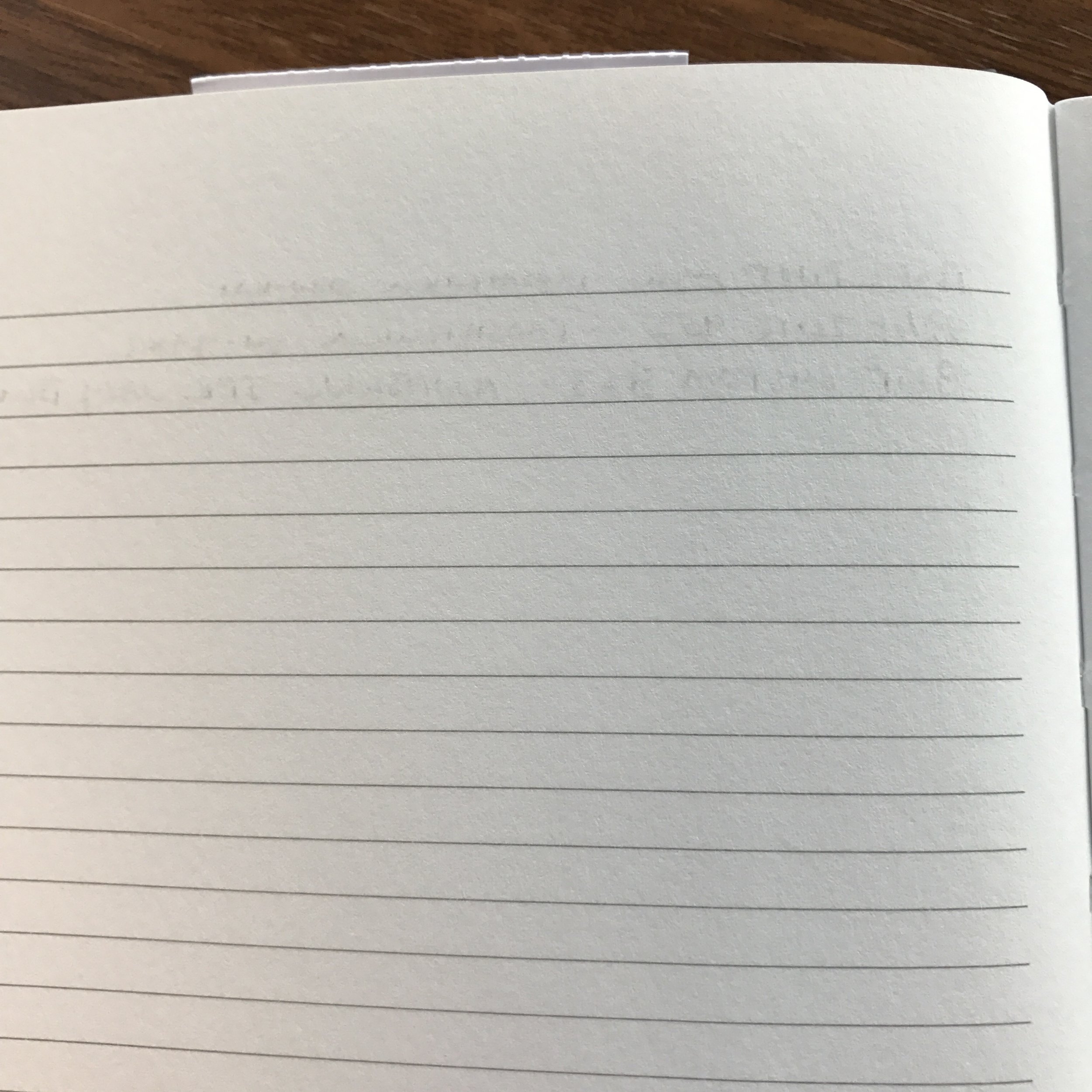
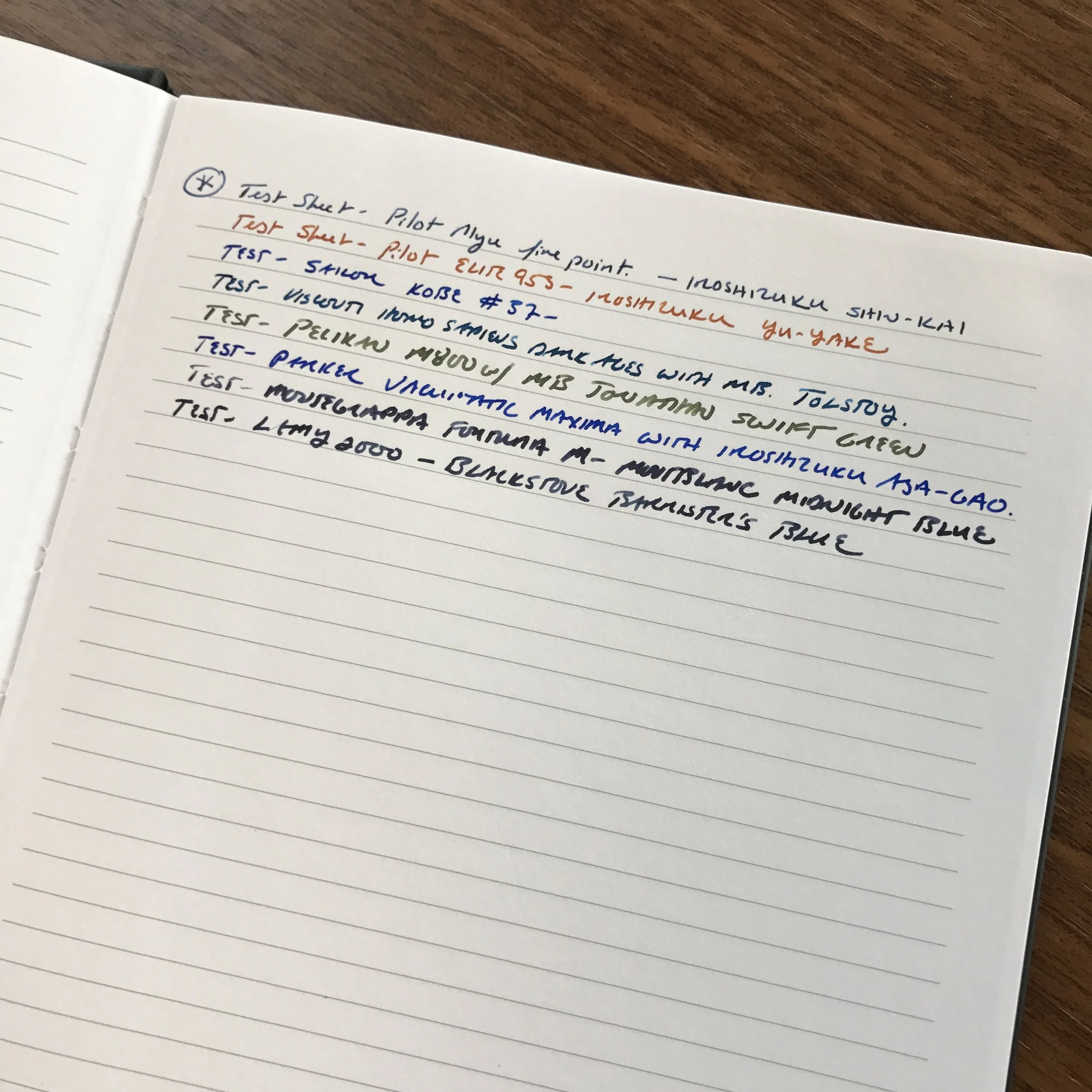
View fullsize Say Nice Things Curtis Writing Sample Lined Paper (reverse)
View fullsize Say Nice Things Blank/Grid
View fullsize Say Nice Things Curtis Planner
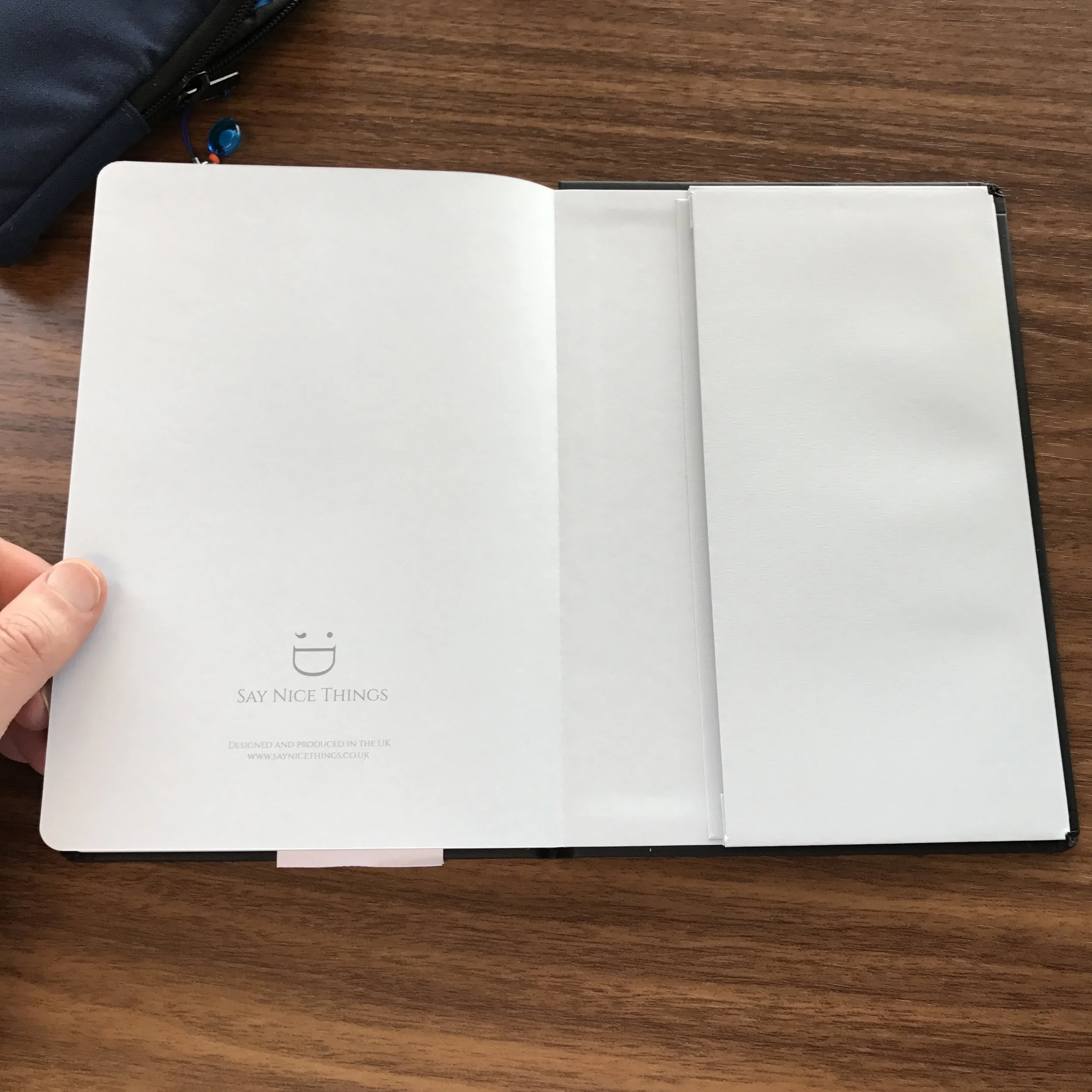
View fullsize Say Nice Things Curtis Rear Pocket
View fullsize Say Nice Things Journal Sections

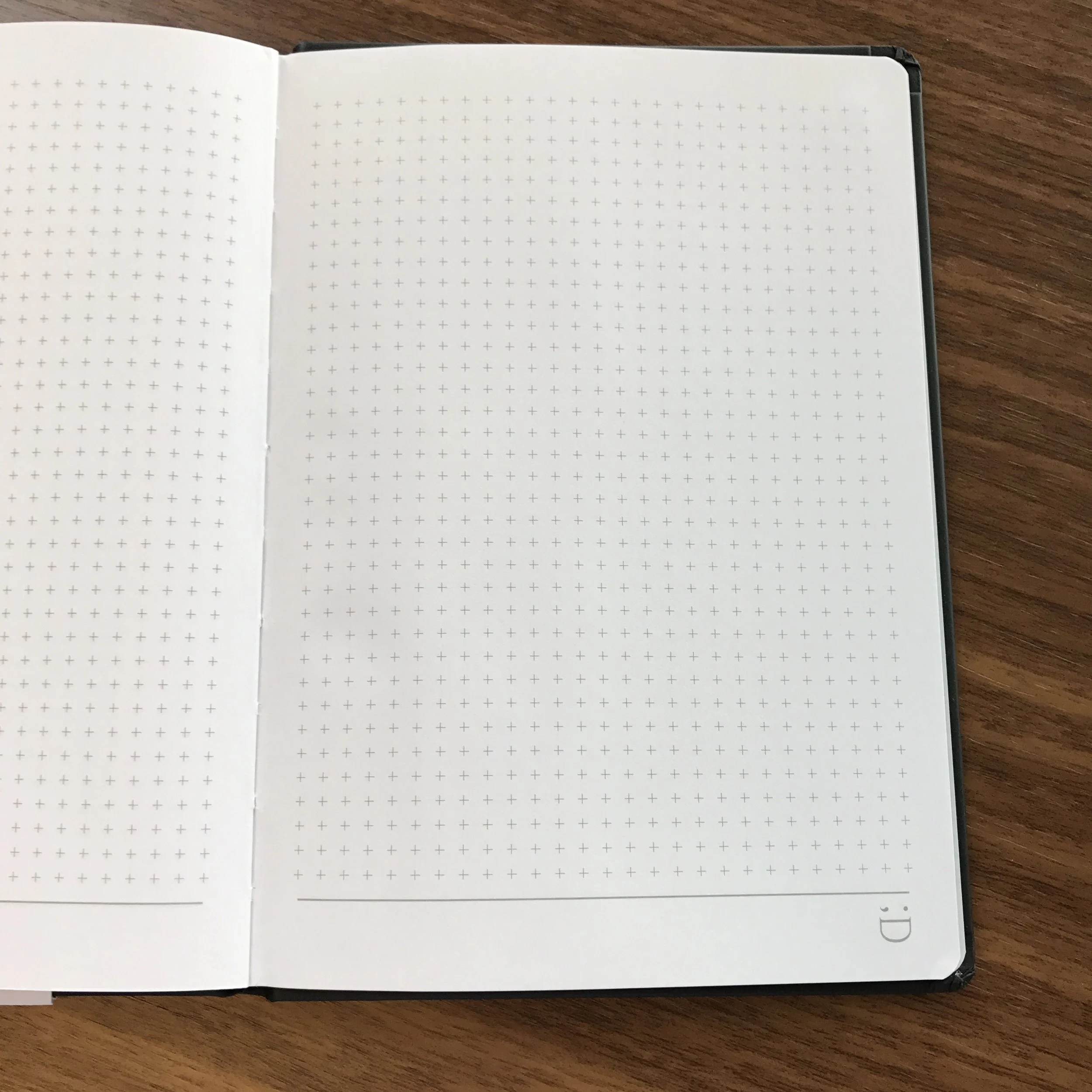
The notebook is noticeably slimmer, reminiscent of a Quo Vadis Habana, with 128 pages of the same 90gsm paper, but broken into three "sections" of 95 lined pages, 16 plain pages, and 17 reticle grid pages. I like that Say Nice Things has included different sections within their notebooks: the concept reminds me of the five-subject notebooks that I used to use in school, updated for today's popular bound hardback format. These are very attractive, understated notebooks, and I can see myself easily using both in a professional setting.   

View fullsize Say Nice Things Cadence Lined Writing Sample
View fullsize Say Nice Things Cadence Blank Paper
View fullsize Say Nice Things Cadence Reticle Grid

I'm impressed with the paper quality, though there was some disparity between how the white paper in the Cadence notebook and the gray paper in the Curtis journal handled fountain pen ink. I tested the paper in the Cadence with every fountain pen I have inked up at the moment - including a very wet Visconti Homo Sapiens Dark Ages - and did not experience any bleed-through or feathering. It's absorbent paper - not glossy - but it handled the fine and medium nibs I threw at it extremely well. On the other hand, the Curtis's gray paper did ok with fine nibs, but I can definitely see how you might experience show-through and some bleed-through with very wet broad (or even medium) fountain pen nibs. Other types of pens and pencils should be fine. Overall, I would say that the paper quality on both notebooks is very good, and I could easily use both on a daily basis.  

Where to Buy

You can order from Say Nice Things directly via their website. The company just launched a month or so ago, but they already have a wide range of notebooks and journals for sale, including some colorful options. They are competitively priced, with the 128-page A5 notebook coming in at £12.50 ($15.40 US), and the larger 192-page journal priced at £25 ($30.81 US).   

Disclaimer: Say Nice Things sent me these notebooks free of charge for review purposes. 

In Notebook Review Tags Notebook Review, Say Nice Things
2 Comments

The Revenge of Analog

January 14, 2017

You've probably heard me talk before about David Sax's wildly popular new book, The Revenge of Analog: Real Things and Why They Matter, which explores the modern resurgence in "analog" technologies and what the author believes to be the reasons for it. While I'm hesitant to tell anyone that they should read any book, I'm pretty confident that anyone who's a regular reader of a blog like this one would find Revenge of Analog worth their while.  

Sax divides the book into two sections: "The Revenge of Analog Things," and "The Revenge of Analog Ideas." The first talks about the recent resurgence of products previously considered "obsolete": vinyl records, paper, film, and board games. The second takes a broader look at the role of analog in society, specifically with regard to print media, retail space, our work and school lives, and even summer camp. The book confirms what many readers of this blog probably already know: the "purely digital life" can feel pretty empty, even pointless, and making an effort to reemphasize analog can breathe some life back into it.  

The reason our increasingly digital world can be so profoundly unsatisfying is because it can't replace what analog offers: a tactile experience that engages with all our senses, not just "ones and zeros" stored on a hard drive and viewed through a screen. How many of you remember forming a strong emotional attachment to your physical music collection (whether vinyl records, CDs, or tapes)? Now how many of you feel the same about your Apple Music or Spotify library, or even all those songs you have scanned into iTunes?  The same goes for pens. I have pens that I carried through middle and high school, some of which were given to me by friends and family (including a couple people who are no longer with us). Those things were a part of my life for many years, and I can still use them today and recapture some of those memories, unlike the dozen or so now-obsolete computers that I used during that same period. 

“Surrounded by digital, we now crave experiences that are more tactile and human-centric. We want to interact with goods and services with all our senses, and many of us are willing to pay a premium to do so, even if it is more cumbersome and costly than its digital equivalent.”
— The Revenge of Analog

If you're still on the fence about the book, or if you've already read it and want to dive a little deeper, I highly recommend listening to Harry Marks' interview with David Sax on his podcast Covered. During the interview, Sax made a point that resonated with me: much of the analog resurgence is about people giving themselves permission to dive back in. For years, many people - myself included - actually felt guilty about continuing to rely heavily on analog products when the world supposedly was becoming all digital (Why are all those records and CD's still taking up so much room? Why are you killing so many trees still writing on paper, in a notebook?) Once "the establishment" began acknowledging the actual benefits of analog, more and more people realized that they weren't alone out there in feeling that, at least for certain things, analog works better than the "newer" digital alternative. In the news, the narrative has now shifted from predominantly analog companies (i.e., Borders and Kodak) shutting down or severely curtailing their operations, to the current reality of thriving independent book and stationery stores. As Sax put it, "[p]eople don't want to invest in a dying idea, even if they love it, but they will readily pour money into something that seems to be growing, especially if it is against the general trend." 

I don't think the current analog resurgence is a "fad" or "hipster fetishism," as many (especially in the tech community) would have their prospective customers believe. Its benefits are real. Most of us understand with respect to working and writing with pen, pencil, and paper, but this book encourages you to take it further and go out and buy an instant film camera, or rediscover records by picking up an inexpensive turntable. Personally, I've retired my Apple Watch and have gone completely analog with my wrist-wear. I've also got Fuji Instax pictures tacked to my workspaces at home and in the office.  

And at the end of the day, digital vs. analog shouldn't be an "all-or-nothing" proposition. There's room for both. Those of you who subscribe to my Digital Divide newsletter have heard me discuss how embracing digital simply works better for certain things. Somewhat ironically, the internet has actually contributed to keeping analog alive and fueling its growing resurgence, by giving analog enthusiasts a venue in which to form thriving online communities, and retailers of analog goods a new way to connect with consumers, many of whom have no brick-and-mortar options in the town where they live. 

Revenge of Analog has sold incredibly well - so well, in fact, that it initially sold out upon release. If you live near a brick and mortar bookseller, whether it's independent or a Barnes & Noble, you may still be able to find it there, and I highly recommend that you pick up a copy. [Update: Now that it’s been a few years, The Revenge of Analog is readily available, including at used bookstores.]

Disclaimer: This post contains affiliate links.      

In Books Tags Book Review
3 Comments
← Newer Posts Older Posts →
Store Hours and Location
Visit the T.G.S. Curated SHOP
Updated "Best Pens" Guide
On the Paper Trail Podcast
TGS x Roterfaden TGS_25
Hierarchies of Fountain Pen Friendly Paper

Join Our Patreon!
Subscribe to the TGS E-mail List

Featured Posts

Featured
Cover On the Paper Trail Intro Clip.jpeg
Dec 3, 2025
Introducing "On the Paper Trail," a New Podcast/Video Collaboration with Lisa Vanness of Vanness Pens!
Dec 3, 2025
Dec 3, 2025
Iro-Utsushi-Fine-Dip-Pens.jpeg
Oct 1, 2025
The Pilot Iro-Utsushi Dip Pen (and in General, Simple vs. Fancy Dip Pens)
Oct 1, 2025
Oct 1, 2025
Levenger-Annotation-Pad.jpeg
Sep 20, 2025
Five Boutique Paper Brands I'm Watching Closely and Why
Sep 20, 2025
Sep 20, 2025
The Gentleman Stationer RSS

© Digital Divide Media, LLC, 2014-present.

All content is the exclusive property of Digital Divide Media, LLC, d/b/a The Gentleman Stationer, including “The Gentleman Stationer” website and trademark, and should not be reproduced without express written permission.  All rights reserved.

All content containing paid advertising, affiliate links, or sponsored content will be plainly disclosed by a disclaimer when/if featured.

Contact Information

Store Shipping Policy and Return Policy

Privacy Policy

Cookie Policy

Terms and Conditions

Powered by Squarespace