• Blog
  • Shop
  • Podcast
  • Resources
  • Archive
  • FAQ
  • About
  • Contact
  • Sign In My Account
Menu

The Gentleman Stationer

  • Blog
  • Shop
  • Podcast
  • Resources
  • Archive
  • FAQ
  • About
  • Contact
  • Sign In My Account

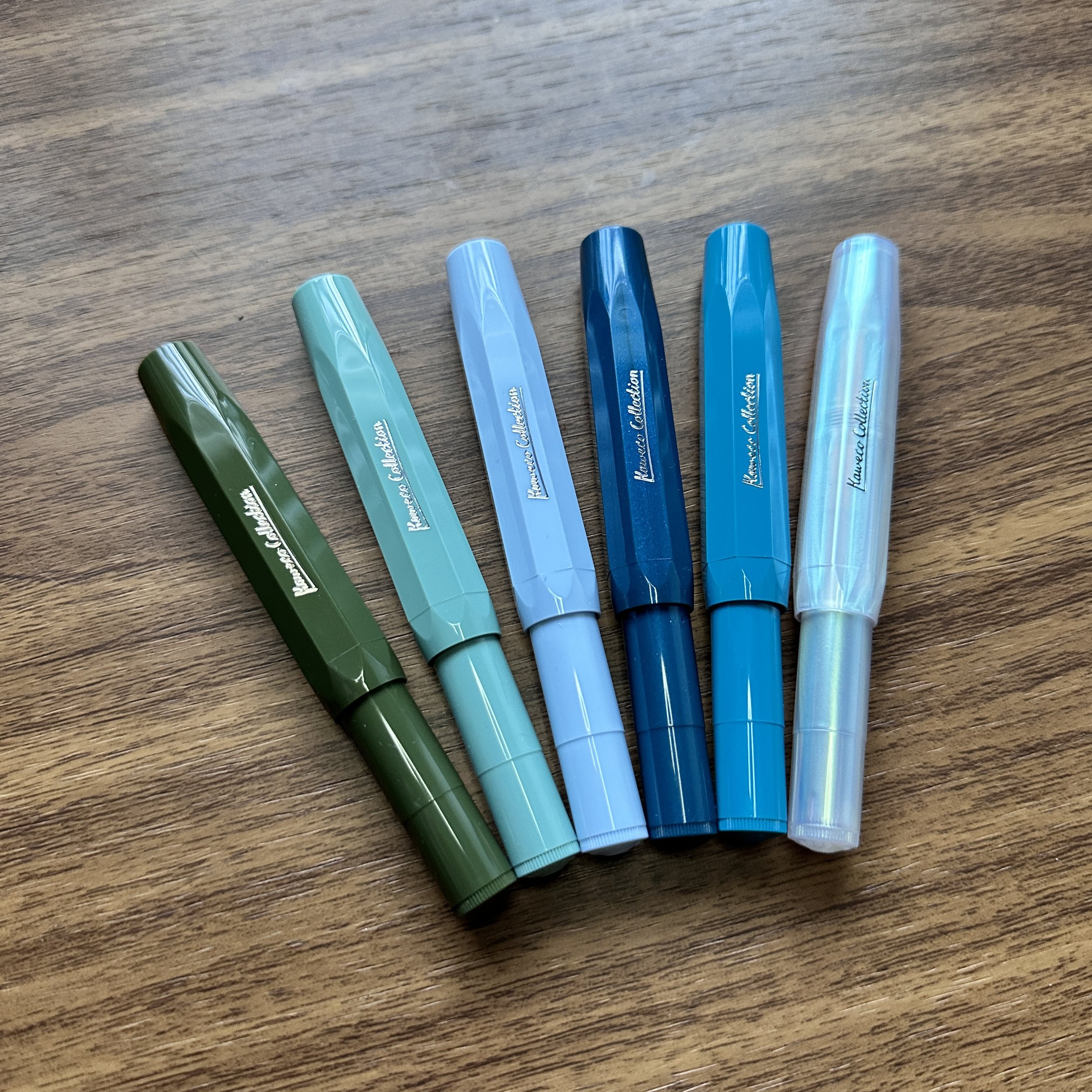
From left, Kaweco Collection Sport fountain pens in Olive, Smooth Sage, Mellow Blue, Teal, Cyan, and Pearl.

Curated Shop Updates: Introducing the Kaweco Collection!

October 24, 2023

This week we received a restock shipment from Kaweco, including the full range of Kaweco Collection Sport fountain pens, plus Kaweco converters and Sport clips in all three finishes, allowing you to customize your Kaweco Sport for bottle filling or pocket carry. The Kaweco Collection features unique colors different from the standard Sport line, including some interested muted tones such as the Olive Green (shown below, which I’ve kitted out with both a clip and vintage nib), as well as a sage green and several muted blue tones. We’ve also filled out our selection of Skyline Sport fountain pens, adding the grey and white options. Of course, we carry the full line of Kaweco ink, both bottled and in cartridges.

The Kaweco Collection Olive Sport, shown with a gold clip.

Finally, the colored leads for the Sketch-up Clutch Pencils are back in stock! In addition to the classic highlighter options, we have standard graphite and all-purpose colored leads, perfect for sketching in color or marking up documents. Happy writing!

Kaweco Sketch-up refills come in a range of colors.

The Gentleman Stationer is an authorized retailer of all brands sold, including Kaweco.
In TGS Curated Shop Tags TGS Curated Shop, New Arrivals, Kaweco
Comment

Ink Review: Anderillium Viceroy Butterfly Orange and Atlas Moth Brown

October 23, 2023

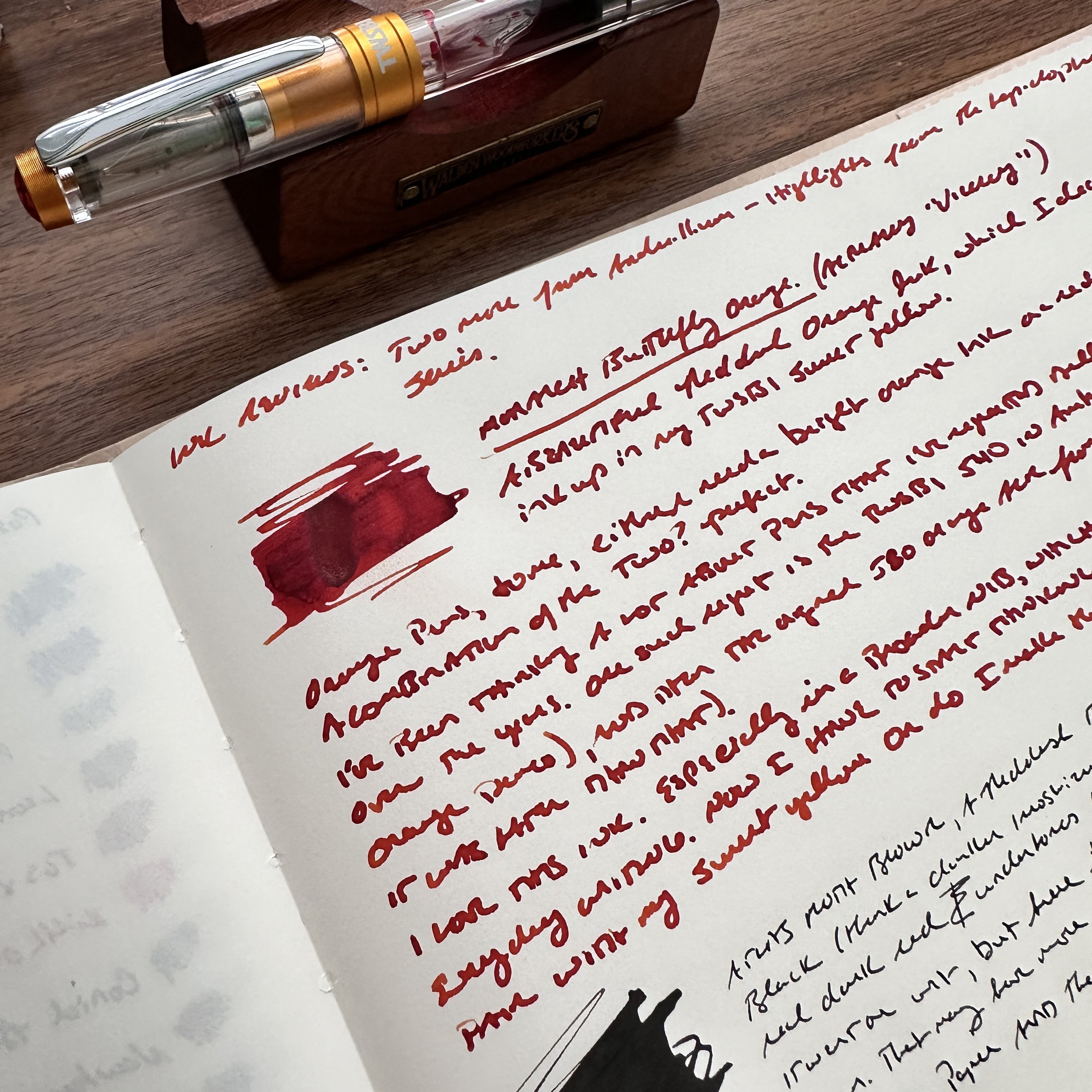
Wow, do I have a large backlog of products to review! Before I left on vacation earlier this month, I had somehow ended up with 30 inked fountain pens, most of which I had intended to review (either the pen itself or the ink), but at the end of the day I figured it was best to do a reset and choose 10 or so combinations on which to focus. Today, I’m going to look at two of the inks I selected, both of which come from Anderillium: Viceroy Butterfly Orange and Atlas Moth Brown, from the recently released Lepidopteran Series.

Yes, I know it says “Monarch” - whenever I think of an orange butterfly I think of Monarchs, and apparently the two are easily confused!

As many readers already know, Anderillium is one of the brands that we stock in our own shop (full disclosure!), and we love their inks not just because they represent good value and good quality, but because we also enjoy the company’s carefully thought-out themes - typically based around nature - and their offbeat takes on classic ink colors. The initial two series of Anderillium Inks included the Cephalopod Series (squids and octopuses) and the Avian Series (Birds), so the recently released Lepidopteran Series (moths and butterflies) continues the nature trend.

There is no red ink in the Lepidopteran Series: Viceroy Butterfly Orange is a dark reddish-orange that serves that role. You can check out a picture of the full range of colors - some of which are quite unusual - at the bottom of this post.

Viceroy Butterfly Orange - which I keep trying to call “Monarch Butterfly Orange” - is a beautiful dark orange that leans heavily red. Unlike many orange inks, I’ve had no issues with nib crud forming, which is a huge bonus for an ink in this color family since orange and yellow dyes can be finicky in that regard. I chose this ink as the perfect pairing for my TWSBI Diamond 580 Sunset Yellow fountain pen. I typically enjoy pairing orange pens with a red ink (and vice-versa), and this particular ink is red enough that it accentuates the lighter orange/gold of TWSBI’s latest Diamond 580 release. This particular pen also sports a broad nib, which gave me the opportunity to test how the Anderillium ink behaved in a pen that lays down a thicker, wetter line. The end result? Viceroy Butterfly Orange is a great ink that dries relatively quickly and resists smearing. Once you consider this alongside the lack of precipitation/nib crud, you have a fabulous orange workhorse.

Atlas Moth Brown is a VERY dark brown. While you can make out the slight brown hue when it dries (particularly in a broader nib or a wet writing sample), in a finer nib this ink appears black. Also be sure to check out the writing sample below, which definitely shows green undertones, and the reverse shot of the page, which shows purple?

Atlas Moth Brown is the “Black” ink from the Lepidopteran Series. While technically a very dark reddish-hued brown, I can really only discern these undertones when this ink is wet. (Those looking for a more traditional brown should check out “Toltype Moth Warm”, which itself isn’t necessarily traditional, but will get you more shading and visible brown tones.) Like the Viceroy Butterfly Orange, Atlas Moth Brown is well-behaved. Though it dries perhaps a touch slower than the Viceroy, I experienced no bleedthrough or feathering in everyday writing except on the cheapest of copy paper. The almost-black hue when dry lends itself quite well to office use, and this ink will see a repeat run through the rotation when I have to return to the office in two weeks. :(

In my Midori MD Cotton ink journal (which I’ve been using for my ink reviews), this ink looks almost green-black. AND then…

On the reverse of the page, the bleedthrough from the swabs appear purple? (This bleedthrough is not reflective of everyday writing. I literally poured ink onto the page with a pipette to see what kind of sheen I could get when the very wet samples dried.) This is a truly interesting one.

Takeaways and Where to Buy

I’ve been extremely pleased with the performance of both inks, having written with them consistently over the past three weeks. The Viceroy Butterfly Orange in particular stands out - strike up another win for Anderillium in the yellow/orange category that includes their excellent Flapjack Octopus Orange (from the Cephalopod Series) and American Goldfinch Yellow (from the Avian Series). Orange inks, and particularly lighter oranges and golds/yellows, can be tricky to get right, as ink makers have to balance legibility with the tendency of orange dyes to precipitate and form nib crud. All three Anderillium inks strike a good balance. The Atlas Moth Brown is what I’d probably characterize as an “interesting black ink alternative,” because it dries so dark. I rarely write with pure blacks, opting for darker versions of other colors that can look black when dry, especially in a finer nib, making them good work alternatives yet at the same time less “boring”.

You can purchase Anderillium Inks, including the two featured here, directly from us in the T.G.S. Curated Shop. As I mentioned above, both of these inks are from Anderillium’s recently released “Lepidopteran Series,” where all the inks are themed around moths and butterflies. Other series from Anderillium include the Cephalopod Series (based on squids and octopuses) and the Avian Series (based on birds). Inks are sold in individual 1.5oz widemouth bottles ($14.50) or in sets of 8 mini-bottles ($50), which allow you to sample the entire line.

I likely won’t re-review these two pens, given that they are simply new colors of two pens that I’ve already reviewed multiple times: the TWSBI Diamond 580 and the Sailor Pro Gear. But I will say that I absolutely adore both of these editions. As I mentioned above, the TWSBI is the recent “Sunset Yellow” release, and the Pro Gear is this year’s “Moonlight over the Ocean”.

The T.G.S. Curated Shop is an authorized retailer of all brands sold, including Anderillium Inks.

In Ink Reviews Tags Ink Review, Anderillium Ink, Anderillium Ink Lepidopteran Series
1 Comment

This picture more or less describes my interest in pens recently!

Sunday Reading for October 22, 2023

October 22, 2023
  1. Planner Rant (via Stationery Pizza). How would you customize your planner if you had the ability to build out your ideal system? Intersperse months, weeks, and days? Or leave them all separate?

  2. Yamamoto Paper’s Fountain Pen Friendly Paper Collection, Vol 7 Part 2 (via Pen Addict - Kimberly). Kimberly continues her walkthrough of the most recent Yamamoto Paper Fountain Pen Friendly Paper Sampler Pack.

  3. The Colorado Pen Show 2023 (via Well-Appointed Desk). One of the few pen shows I’ve never attended, I was actually hoping to make Colorado this year but since I was on vacation, it unfortunately couldn’t happen. Maybe 2024?

  4. Calligraphy and Handwriting (via Goodwriter’s Pens). I’ve often wondered myself how my handwriting evolved into what it is today - a somewhat unique combination of cursive and italic that I still want to spend time improving. I can still write the form of cursive I was taught, but my everyday script is more of a hybrid.

  5. Platinum #3776 Karakusa Blue Celluloid Fountain Pen Review (via Blake’s Broadcast). One of the more beautiful #3776 models that I don’t write with enough.

  6. My Parker 61 Flighter Fountain Pen: A Cautionary Tale (via Fountain Pen Blog). Ah, the perils of vintage restoration and learning on the job!

  7. Private Reserve Infinity Violet Ink (via Cheryl Lindo Jones). The Private Reserve “Infinity” ink series is specially formulated to not dry out, which can be very helpful if you tend to leave fountain pens uncapped for long-ish periods of time.

  8. Death by a Thousand Nibs - Fatigue Points in the Pen Hobby (via Ink Journal). In any hobby, it’s important to keep a close eye on why you’re involved in it and to refocus your attention on the specific aspects that bring you joy.

  9. Troublemaker Tablea Fountain Pen Ink Review (via Pen Addict - Jeff). I adore Troublemaker’s browns and greens, especially where they combine the two color palettes!

  10. Dominant Industry: Dominant Blue (via Fountain Pen Pharmacist). Dominant Industry’s Dominant Blue and it’s shimmer equivalent (Milky Way Blue) are two of my favorites from that lineup.

In Case You Missed It…

This past week on the blog, I got back down to business after being out of town for a week! I published a new installment in the “Best Paper for Everyday Writing” Series, focusing on Legal Pads, and also chronicled my recent adventures in vintage pen collecting and restoration, something that I’ve long dabbled in but have allowed to fall by the wayside.

We just received a massive restock of Kaweco Sketch-up Highlighter leads, plus some new colors!

This Week in the T.G.S. Curated Shop

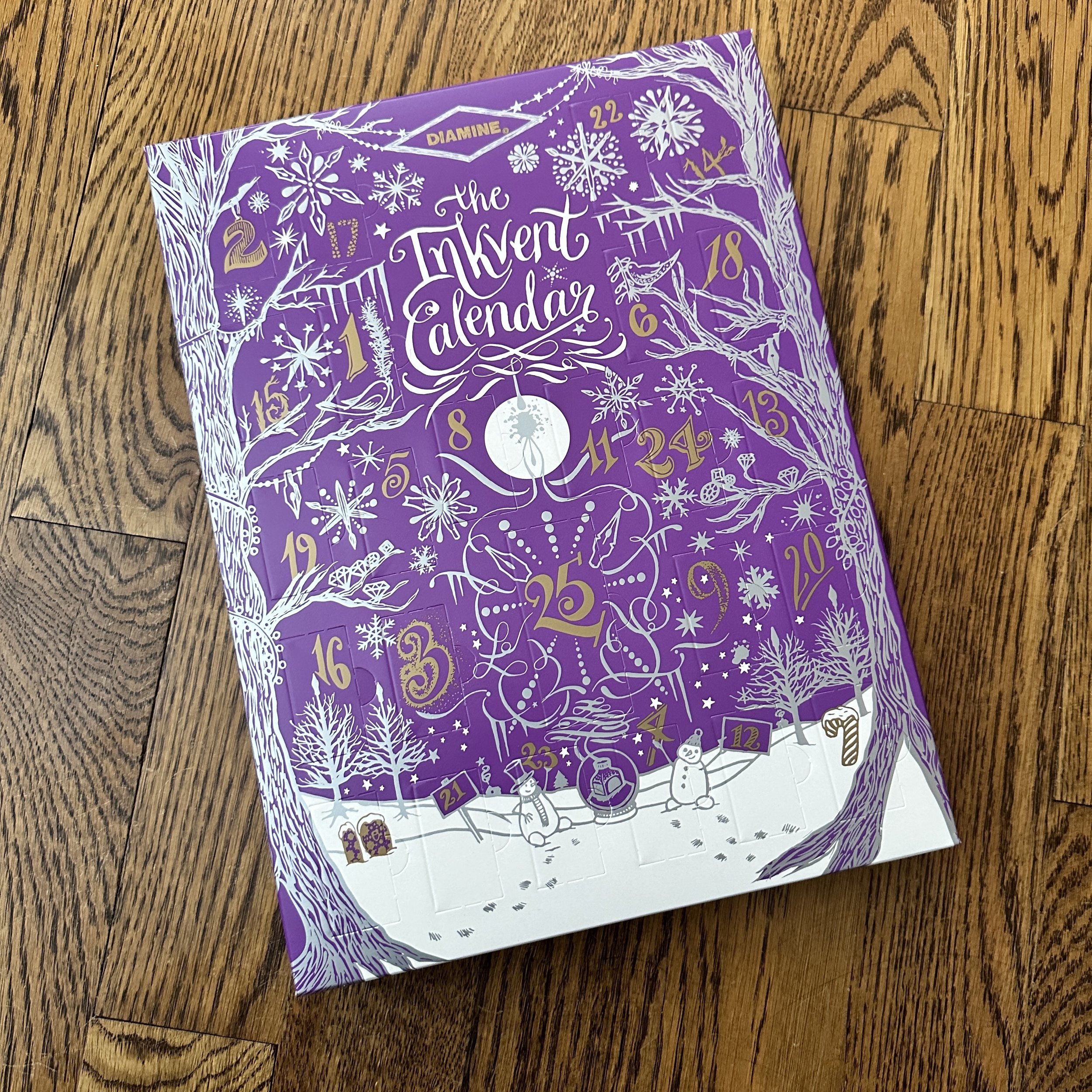
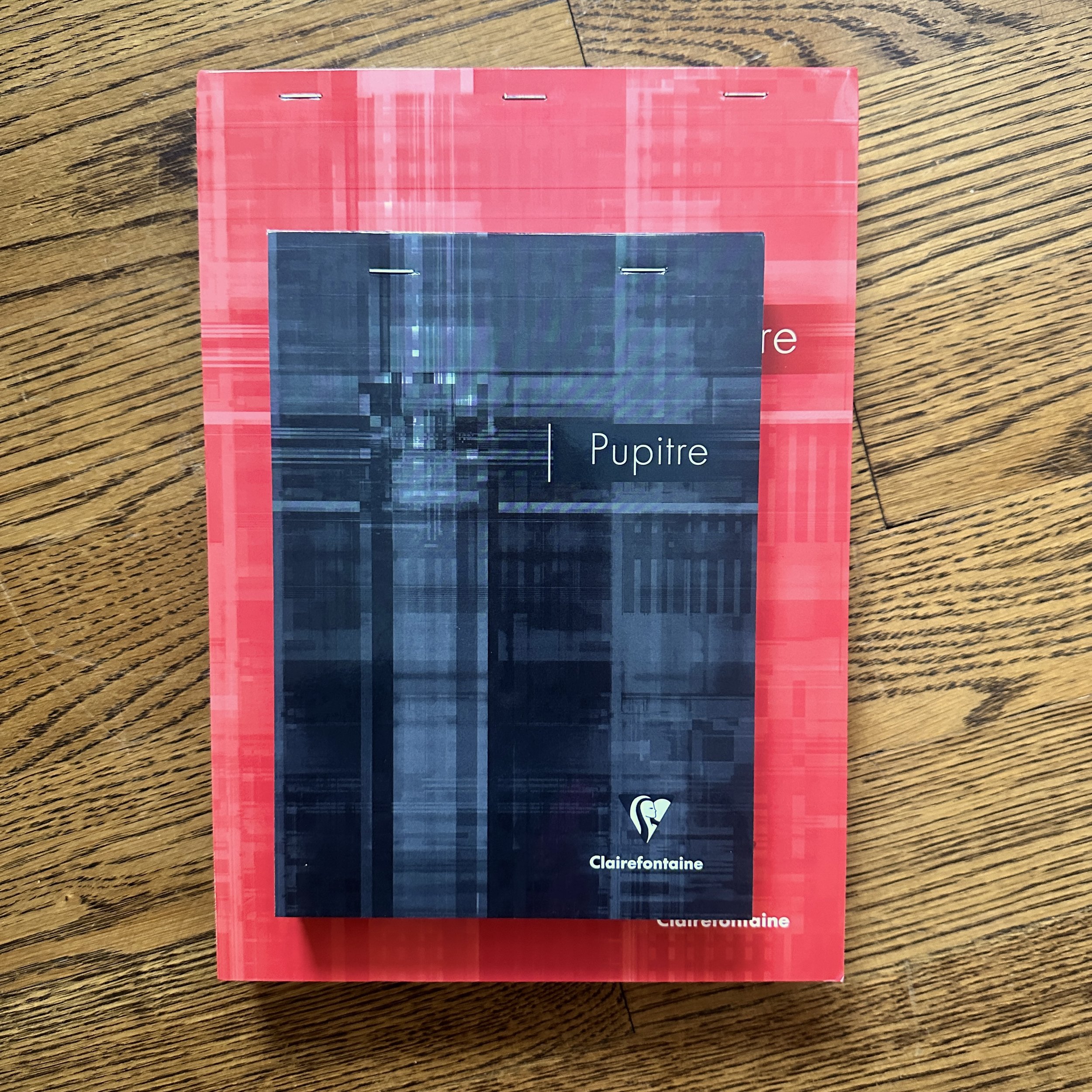
It may not feel like it outside, but the holiday season is rapidly approaching, as evidenced by the appearance of the Diamine Inkvent Calendars on my doorstep this week! We still have a handful left, so if you’d like to follow along as I open up my own calendar this December, be sure to pick one up! Check out the rest of the recent arrivals in this week’s Thursday Drops, which includes the 2024 Traveler’s Notebook dated refills, new Clairefontaine Writing Pads, desk accessories and more!

Kaweco
Kaweco
Diamine
Diamine
Clairefontaine
Clairefontaine
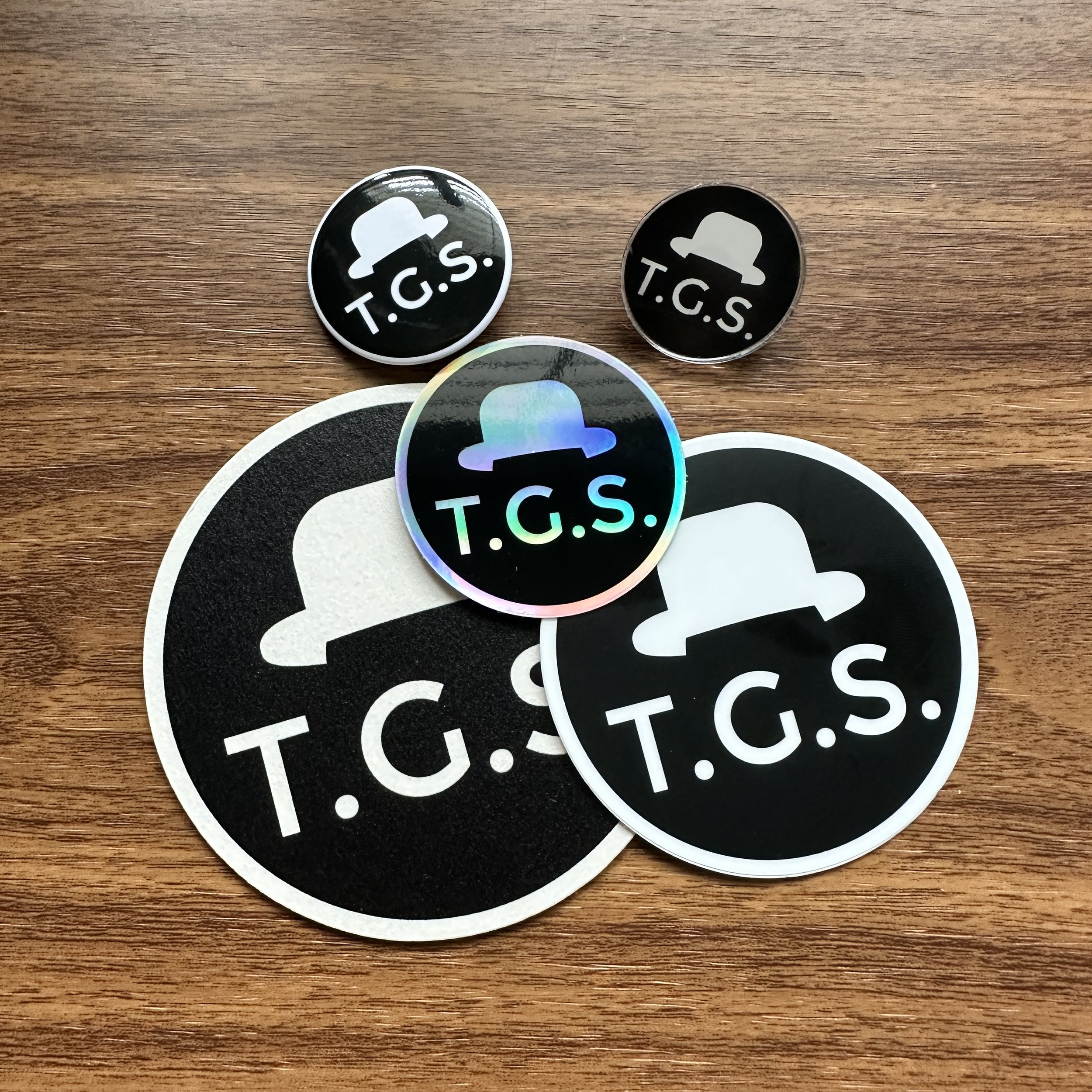
TGS Branded!
TGS Branded!

Patreon Update - Support T.G.S. via Sample Sales, Early Access, and Meetups!

If you’re interested in further supporting T.G.S., consider joining the T.G.S. Patreon, which features not only access to meetups and the early gently used sales, but more exclusive content. Patreon support starts as low as $3 per month, and if you pay annually there is a further discount. In addition to purchases from The Curated Shop, Patreon allows us to continue to grow the site without relying on advertisements and affiliate marketing. If you’re interested in meetups and exclusive content, or simply supporting the site, we greatly appreciate your pledge!

In LInks Tags Links
Comment

The five pens on the left in the Toyooka tray were acquired in a single inexpensive eBay lot! All are salvageable, and 4/5 have 14k nibs.

My Personal Approach to Vintage Fountain Pens

October 21, 2023

My acquisitions at this year’s pen shows have leaned decidedly more vintage-heavy. There are a few factors playing into this. First, for the most part I’ve been uninspired by many of the modern releases from mainstream pen companies - not necessarily because the pens are bad, but simply because we’ve reached a point where innovation has plateaued. Thus, in addition to focusing on those smaller makers who continue to experiment, I’ve started looking backwards to an aspect of the hobby that I’ve dabbled in yet haven’t fully embraced: the vintage world.

All five pens from this lot are salvageable, and 4/5 have 14k nibs. The Kaweco is a new pen to which I added a vintage Mabie Todd 14k nib that I had in my parts bin .

Second, given the amount of time that I now devote to writing about and retailing stationery, I need to carve out some aspect of this hobby that’s pure fun for me. I plan to attend the Ohio Pen Show in a couple weeks, which is one of the premier vintage shows in the country, and is actually the first pen show I attended way back in 2012. In advance of this trip I thought it might be fun to not only show off some of my newer vintage acquisitions, but also provide some insight into how I approach vintage pens in general.

A close-up of the Olive Kaweco Sport with a vintage Mabie-Todd nib. Read more on what I’m doing here below.

My Recommendations For Enjoying Vintage Pens

  1. Don’t Worry About Locating “Mint” Pens or Valuable Collectibles. Nearly all of the vintage pens I own would be deemed “user grade” by a serious collector. I’m totally fine with that. A 75+ year-old pen that’s served as a functional writing instrument for nearly a century should have some dings, scratches, and signs of use. Not only do they make me less reluctant to use a pen for fear of damaging it, these marks add character. In certain vintage watch circles, it’s considered a faux pas to overly restore and polish a vintage watch to where it looks like new, and I take the same approach to my pens. (User-grade specimens of common vintage pens like Sheaffer Snorkels and Parker 51s are also much easier on the wallet than new-old-stock or “mint” condition versions, and you can get them at extremely low prices if you purchase unrestored examples.)

  2. Learn How to Restore Pens Yourself. To get seriously into vintage pens - and arguably, to have the most fun with them - it helps to learn a bit of basic pen repair. Most vintage pens use some variation of a sac-based filling system, which may need to be serviced periodically. Learning how to restore your own pens not only saves you money (and the inconvenience of having to ship off pens to get fixed), but in the course of doing your own work, you also learn how pens are made, the intricacies of vintage filling systems, and how they differ from the modern filling systems we use today. Repairs can range from simple and straightforward (lever filling pens like Esterbrooks) to time consuming and more complex (such as a Sheaffer Snorkel, some of which you can see in the stories on my Instagram profile). Many vintage pens are incredibly durable, including the Parker 51, 51 Special, and Super 21, and often require no restoration beyond a flush with water or bath in an ultrasonic cleaner to remove dried ink.

  3. Swap Vintage Nibs into Modern Pens. While I would strongly advise against purchasing your first vintage pens on eBay or Etsy (unless you absolutely know the seller is reputable), it’s sometimes fun to buy a big lot of unrestored vintage fountain pens sold “as-is” or “for parts”. Usually you can get one or two salvageable fountain pens out of these lots, and the rest you can scavenge for spare parts for other restorations or - my favorite - for nibs and Frankenpens! Many vintage pens, even inexpensive ones, featured 14k gold nibs, some of which are compatible with the feeds and sections used today. You will need to experiment, and it will most certainly void your warranty, but this is a great way to add a luxurious gold-nib writing experience to a less expensive modern pen like a Kaweco Sport. As shown in the picture below, I swapped a Mabie-Todd No. 2 gold nib directly into a modern Kaweco Sport nib unit, so now my Olive Kaweco Collection pen has a 14k gold nib.

  4. Don’t Baby Your Pens - Write with Them! As you can probably tell, I am not a traditional vintage pen collector. I purchase pens both to use them and to help me learn more about the history of writing instruments in general. Because I acquire user-grade pens and have a basic knowledge of restoration and repair, I’m much less hesitant to use my vintage writing instruments and carry them with me semi-regularly. (Most don’t handle airplane travel well, however. Fly with them un-inked.)

  5. Learn About Your Pens. My interest in history, antiques, and “old” technology is what led me to the pen hobby in the first place, so it’s a bit ironic (and inexcusable) that I’ve let this part of the hobby slide. One thing I’ve started doing recently is keeping a “pen journal” about pens I’ve acquired - vintage and modern. For the vintage pens, I note the make, model, and approximate date of manufacture, as well was where I acquired it and how it was restored. I’ll also make notes about why I acquired each pen, what I know about its history, and why I found it interesting enough to add to my “collection.” I’m also considering adding photographs, keeping both a digital archive and a printed copy using my Fuji Instax or similar printer.

The Sheaffer Snorkel from the eBay lot shown above, disassembled and ready for restoration. While a Snorkel is a sac-filling pen, it has a more complex - yet fun - filling system that also requires the replacement of a gasket and an o-ring.

Further Reading

The internet serves as a repository for decades of vintage pen knowledge. Surf the forums at Fountain Pen Network, and/or visit dedicated vintage pen websites by specialists such as David Nishimura or Richard Binder. If you prefer to have a physical book or manual, Andy Lambrou’s “Fountain Pens of the World” is a great general resource that can be found secondhand, and there are several published guides that will walk you through the repair and restoration process.

I’ve written less about vintage pens over the years than I have about more modern writing instruments, but I did do a series titled “Vintage Pen Primer” in which I discussed some specific models. Check out Vintage Pen Primer, Part I; Part II (The Parker 51); Part III (Inks for Vintage Pens); Part IV (The Parker Vacumatic); and Part V: What About Just Opting for A Vintage Nib?

The Gentleman Stationer is supported entirely by purchases from the T.G.S. Curated Shop and pledges via the T.G.S. Patreon Program. This post does not contain third-party advertising or affiliate links.

In Editorial, Vintage Pens Tags Vintage, Vintage Nibs, Vintage Pens, Editorial
4 Comments

The Best Paper for Everyday Writing, Part VI: Legal Pads

October 18, 2023

While I had originally envisioned “The Best Paper for Everyday Writing” as a five-part series, based on reader questions, I thought it made sense to expand it to include a stand-alone article on “Legal Pads”. I’ve placed the term in quotation marks because it’s regularly used to describe several very different types of stationery, ranging from the traditional 8.5” by 14” U.S. “legal-sized” pad of paper to any writing pad that is glue-bound on top and features detachable perforated sheets. I use the broader definition, since in my experience as an attorney fewer and fewer people are using actual legal-sized paper each year, and most of the legal pads I see in everyday practice now feature either letter (8.5” x 11”) or A4 (8.3” x 11.7”) sizing.

The main question I get from readers is very straightforward: What is the best fountain pen friendly legal pad available today? The answer, however, is NOT so obvious, because people prioritize different things. For example, many office workers will churn through a lot of legal pads (think three or four per week), so they look for the least expensive option with acceptable fountain pen performance. I don’t go through as many pads as I used to, so I no longer take this approach myself. Therefore, I’m not up to date on which Amazon or eBay brand of inexpensive legal pad is currently using decent paper - batch performance tends to change from year to year or even month to month. I tend to stick with slightly more expensive paper that delivers consistent performance with fountain pens, rollerballs, and fineliners, and that is how I’ll approach this post.

In my mind, a classic “legal pad” has to allow you to easily fold sheets over the top, and feature a backing board sturdy enough to permit notetaking while standing up. In order to write on both sides of the page, you will have to tear the page out (hence, perforations).

My Favorite Fountain Pen Friendly Legal Pads

  1. Clairefontaine “Pupitre” Writing Tablets. My long-time favorite for a legal-style writing pad remains the classic Clairefontaine “Pupitre” series. Available in A4 and A5 sizes, this durable writing pad is both glue and staple-bound across the top, and features a wrap-around cover in addition to a thick chipboard back for maximum durability and ease of use while standing. The combination of paper quality and high-end construction has kept this pad at the top of my list for many years, and I can’t recall a time when I didn’t have at least three of these in my office desk.

  2. Rhodia A4 Dot Pads. The reliable Rhodia Pad can be found pretty much anywhere these days, including in big-box art supply and craft stores, so they get extra points for availability when you may not have a brick-and-mortar pen store nearby and need quality paper quickly. Also, when I’m looking for dot grid paper, which can easily be turned sideways to use in a “landscape” orientation, Rhodia is my go-to. Of course, Rhodia pads are available in other rulings and a wide range of sizes. I place them at No. 2 on this list, essentially tied with Maruman Mnemosyne, for the same reasons discussed below.

  3. Maruman Mnemosyne A4 Pads. Basically, Maruman Mnemosyne pads tie with Rhodia after Clairefontaine in my book, with Clairefontaine given the edge due to the slightly sturdier build. Rhodia edges out Mnemosyne based on availability. That said, Mnemosyne paper is excellent quality, and if you enjoy having a dedicated space for a header at the top of the page, their layout makes it very easy to organize your notes. Maruman also makes a range of portfolios/padholders across a range of price points, including both PVC and vegan leather options.

  4. Write Notepads Memo Pads. Featuring excellent paper and versatile layouts that include a “Meeting” format, these memo pads are sold in packs of two and therefore also offer good value. While the Write Memo Pads have a backing board, they don’t have a cover like the first three pads on this list, so they’re not quite as durable for portable use, but I’ve absolutely used them in a portfolio. Note that these are letter-sized (8.5” x 11”) and not A4.

  5. Plotter A4 Pads. DesignPhil’s proprietary paper is exceptionally fountain pen friendly, but the A4 writing pad itself is (1) tailored toward users of the Plotter system, and (2) suffers from durability issues that will keep most people from using this as an everyday legal pad. You can use the Plotter A4 pads in either traditional “portrait” or “landscape” mode (i.e., horizontally or vertically), and the paper comes hole-punched for an A5 Plotter binder along the top edge. Because A5 is exactly half the size of A4, you can simply fold the sheet in half (or do a tri-fold) to carry with you in your binder. As a fairly heavy Plotter user, I’ve been experimenting with one of these pads in my A4 Roterfaden, and the primary drawback is that the pad doesn’t have a sturdy backing board or binding and falls apart fairly easily. This product appears to be designed primarily with desk use in mind, where you tear the sheets out one by one as you use them.

Honorable Mention: Midori MD and MD Cotton Writing Pads

Intended more as a desk pad than a traditional legal pad, the Midori MD and MD Cotton pads are glue bound on two sides (crosswise and lengthwise), which ensures the paper lies flat and prevents “curling” of pages as you get to the end of a pad. I include these as honorable mention because, while you can’t use them easily in a portfolio or padholder without breaking the binding, they are excellent pads of paper and can absolutely be used to take legal pad-style notes as necessary.

Thick backing boards on the Clairefontaine Pupitre (top), the Write Notepads Memo Pad (middle), and Maruman Mnemosyne (bottom).

Further Reading

To catch up on the rest of the “Best Paper for Everyday Writing” series, check out our “Best Paper” Resource Page. I may need to do yet another post in the series in response to several reader requests for recommendations on pads for letter writing and written correspondence, which is an entirely different category (though again there may be some overlap). Stay tuned!

The Gentleman Stationer is supported entirely by purchases from the T.G.S. Curated Shop and pledges via the T.G.S. Patreon Program. This post does not contain third-party advertising or affiliate links.

In Editorial, Paper Products, Top 5 Tags Best Paper, Legal Pad, Editorial
1 Comment
← Newer Posts Older Posts →
Check Out Our New Online Shop!
Store Hours and Events
Updated 2026 "Best Pens" Guide
No results found
On The Paper Trail: Live In Nashville Event Tickets Now Available!
TGS_25 Roterfaden Restock Notification
Hierarchies of Fountain Pen Friendly Paper

Join Our Patreon!
Subscribe to the TGS E-mail List

Featured Posts

Featured
Mongol-Pencil-Incense-Cedar-New-Release.jpeg
October 3, 2026
Hands-on with the New Mongol Pencil, Plus My Current Top 5 Woodcase Pencils for Everyday Writing
October 3, 2026
Read more →
October 3, 2026
10-Fountain-Pens-Favorite-Inks
August 22, 2026
Three Keeper Inks: Choosing Inks for 10 Fountain Pens
August 22, 2026
Read more →
August 22, 2026
Everyday-Stationery-Bags
July 25, 2026
What's the Best Everyday Stationery Bag? My Own Considerations and 5 Options for Pen Show Season
July 25, 2026
Read more →
July 25, 2026
The Gentleman Stationer RSS

© Digital Divide Media, LLC, 2014-present.

All content is the exclusive property of Digital Divide Media, LLC, d/b/a The Gentleman Stationer, including “The Gentleman Stationer” website and trademark, and should not be reproduced without express written permission.  All rights reserved.

All content containing paid advertising, affiliate links, or sponsored content will be plainly disclosed by a disclaimer when/if featured.

Contact Information

Website Terms and Conditions

Privacy Policy and Cookie Policy

Accessibility Statement

Legacy Account Login

Powered by Squarespace